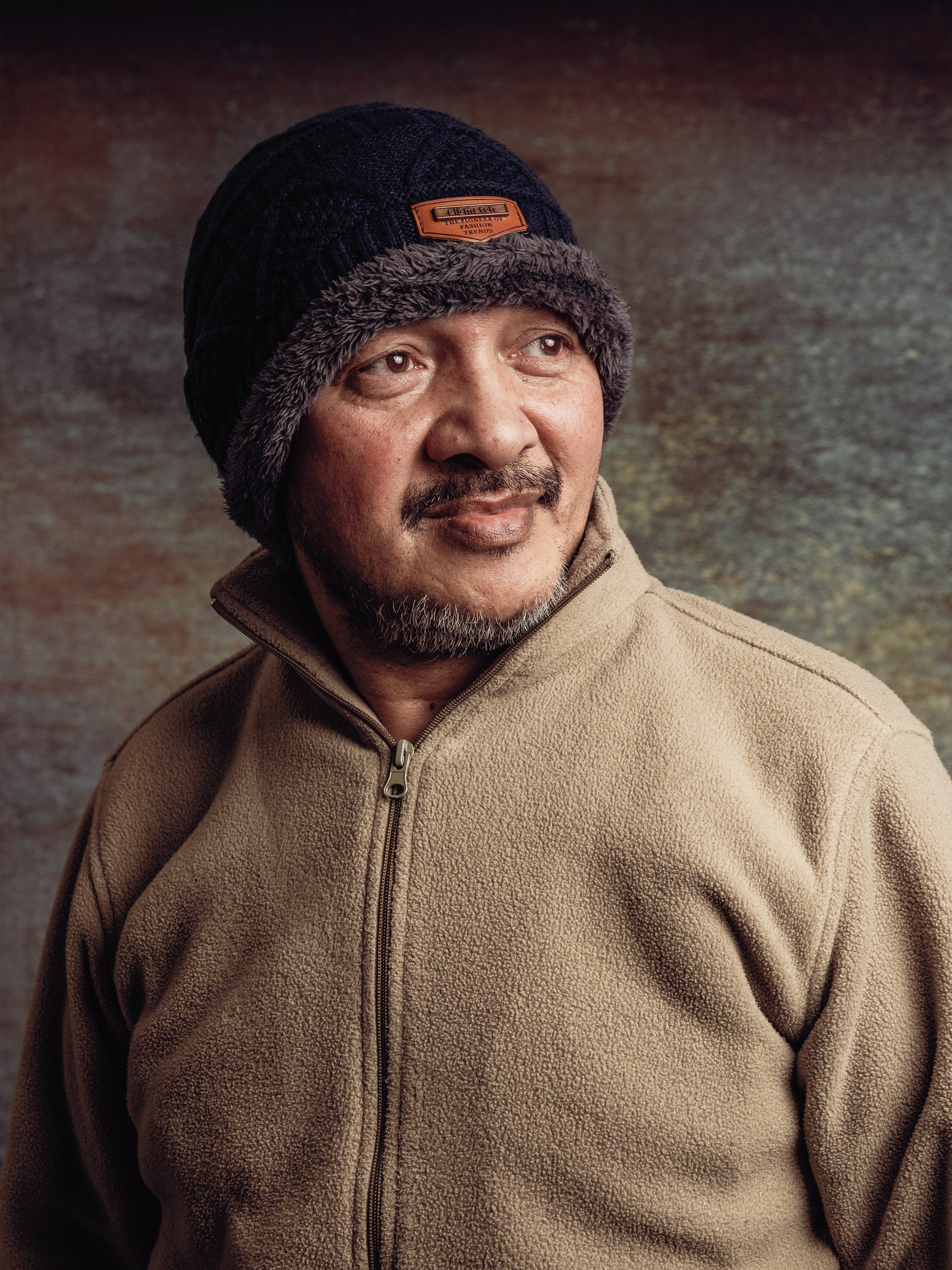
hear the artist.
FITAR | rikii altamirano.
Give me a few minutes. I'll tell you what brought me to make Fitar.
3:17 min • Headphones recommended




LED Screen installation

Visitor visits Fitar Installation

Leporello book

Spike Island _ Exhibition installation

3D Artwork

Installation
Project Statement
FITAR | rikii altamirano
WH3N 1 L00K 4T TH3 1NT3RN3T, 1 S33 0UR C0MPL3X L1V3S R3DUC3D T0 FR4GM3NTS. WH4T H4PP3NS WH3N 4 FR4GM3NT B3C0M3S TH3 WH0L3 ST0RY?
The digital landscape is a space of contradiction. For the Timorese diaspora in the United Kingdom, online platforms offer ways of remaining connected across distance to family, community and home. At the same time, I became increasingly aware of how brief moments of street conflict involving young Timorese people could circulate without the wider context of the lives around them.
Fitar is a word from my home that refers to a scar, a mark or a trace left behind.
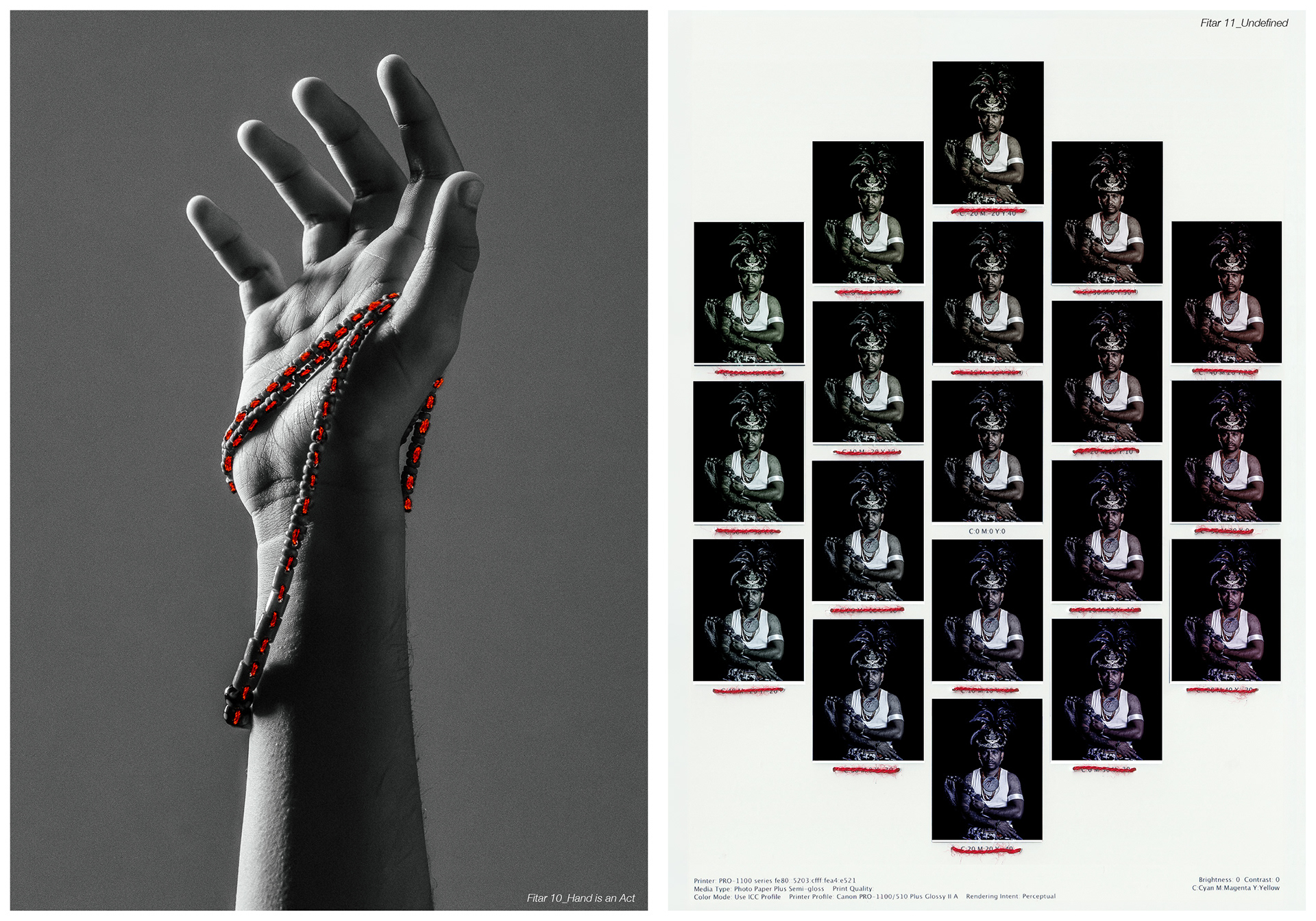
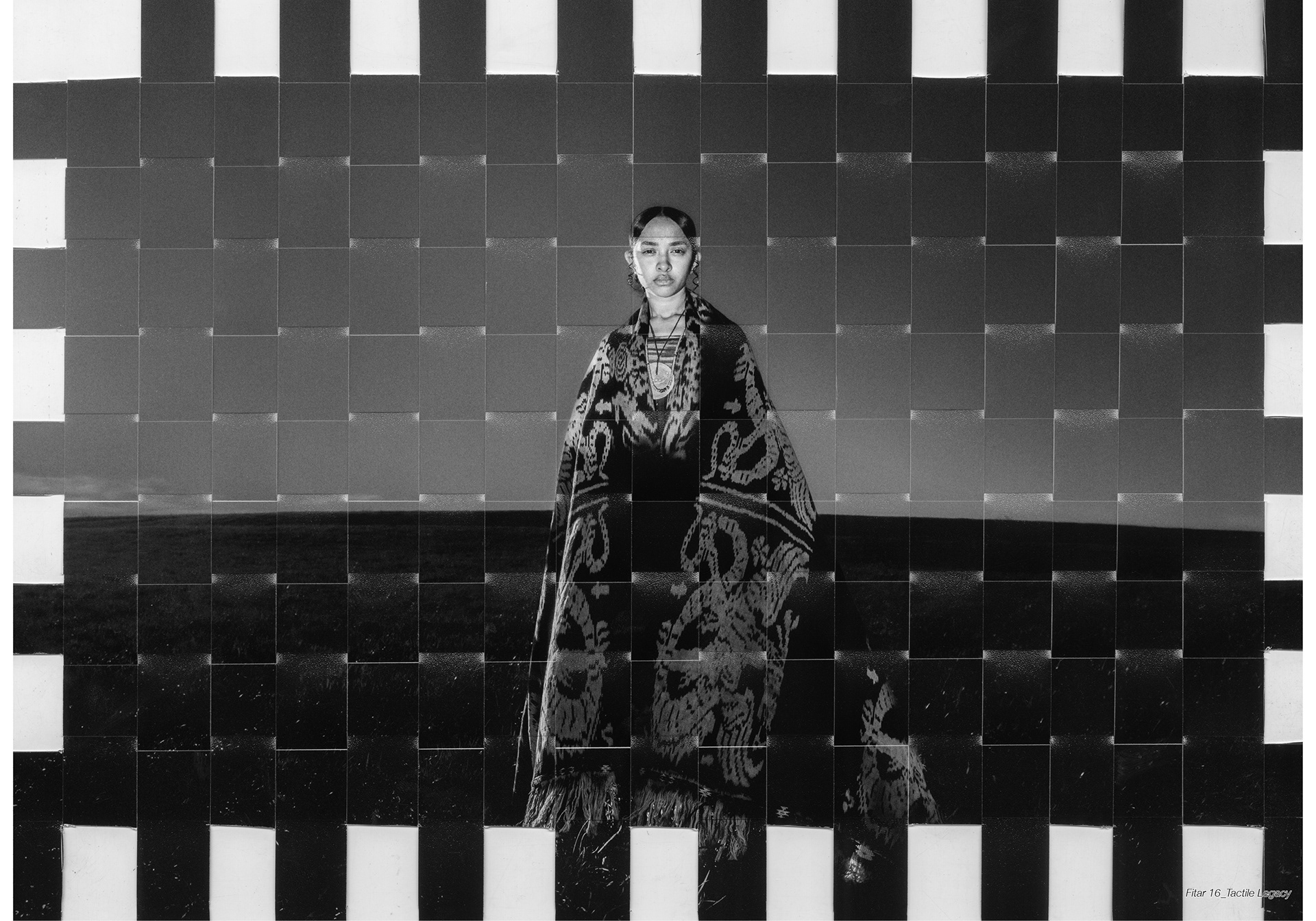
I began working away from the screen and into the physical photograph. Prints were cut, folded, punctured, stitched and woven. Some remained fragmented. Others were brought together again. The marks of these processes were left visible.
My approach to making carries references to Timorese material culture. Tais entered the work through weaving, pattern, thread and structure. I also found myself thinking about the traditional Timorese mat, a familiar place for sitting together, talking, listening and sharing.
Red thread appears throughout the work. Cutting, stitching and weaving became recurring gestures as the project developed, alongside photographs presented as illuminated images, physical objects and an unfolding Leporello book.
The accordion structure of the Leporello allows the photographs to exist as a sequence that can be opened, extended, folded and encountered over time. It became another way for me to explore the movement between image and object, screen and material, distance and touch.
Fitar grew from my experience of living between these spaces and from questions about photography, representation, memory and belonging.
The traces are left visible. What remains between them is left open.