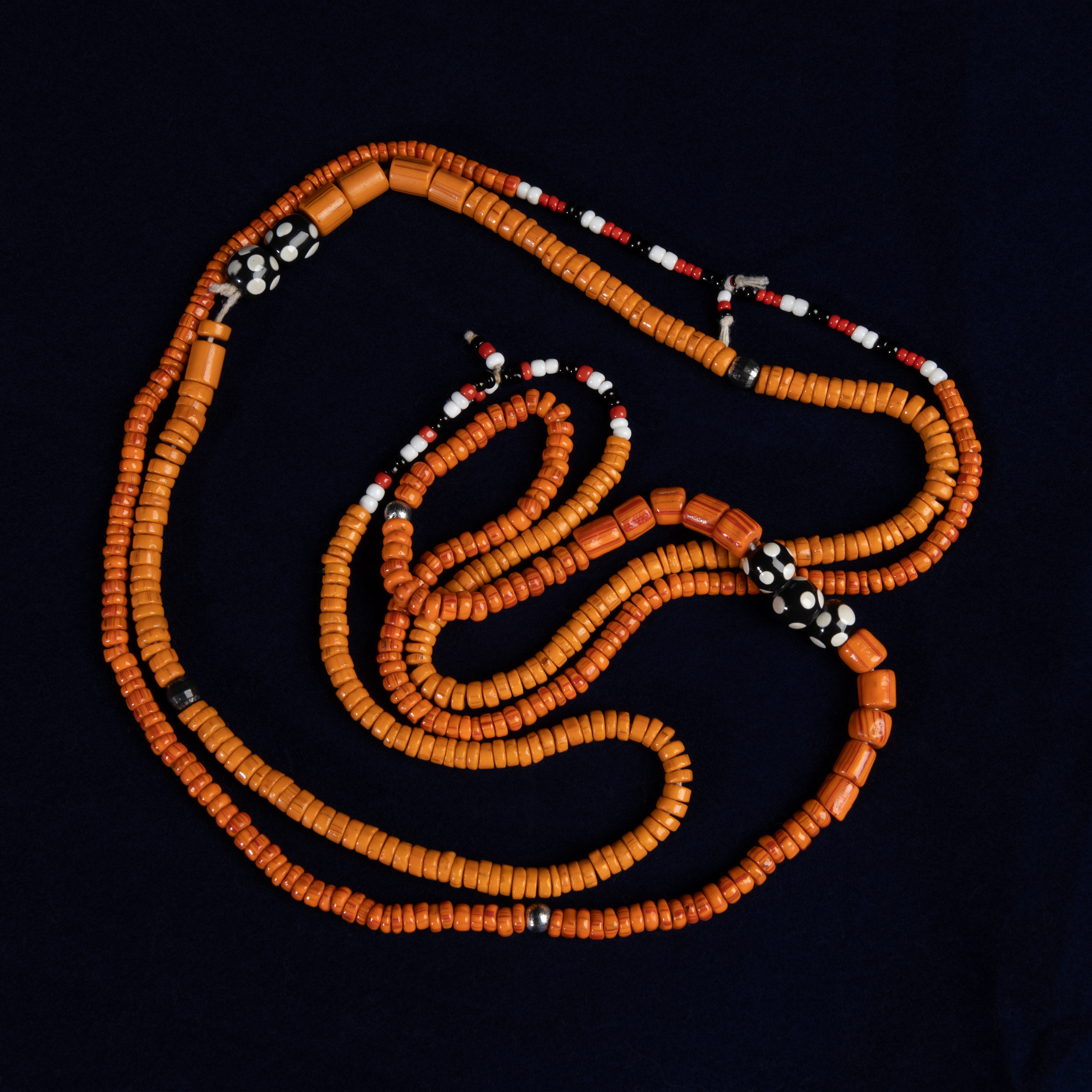
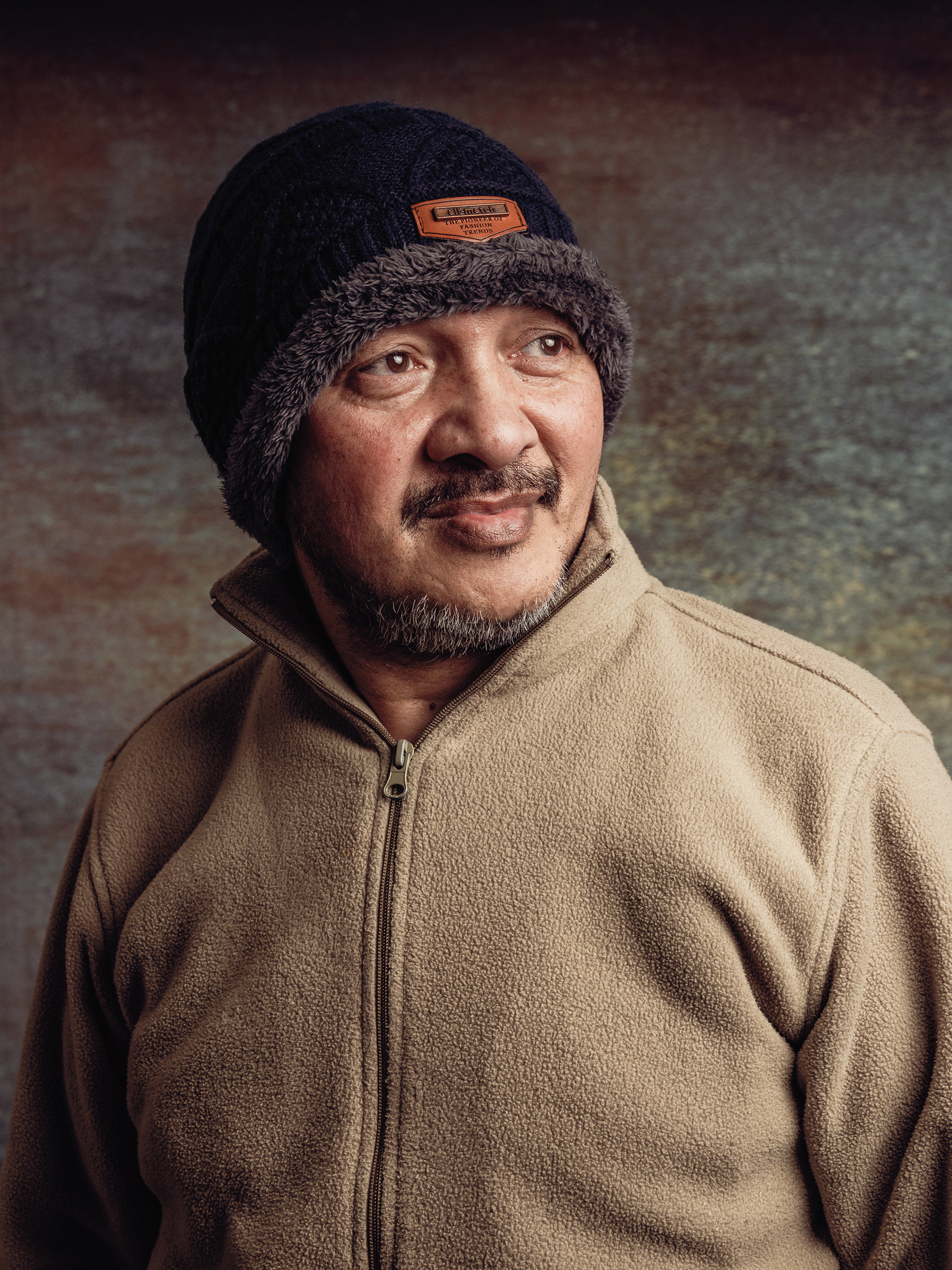
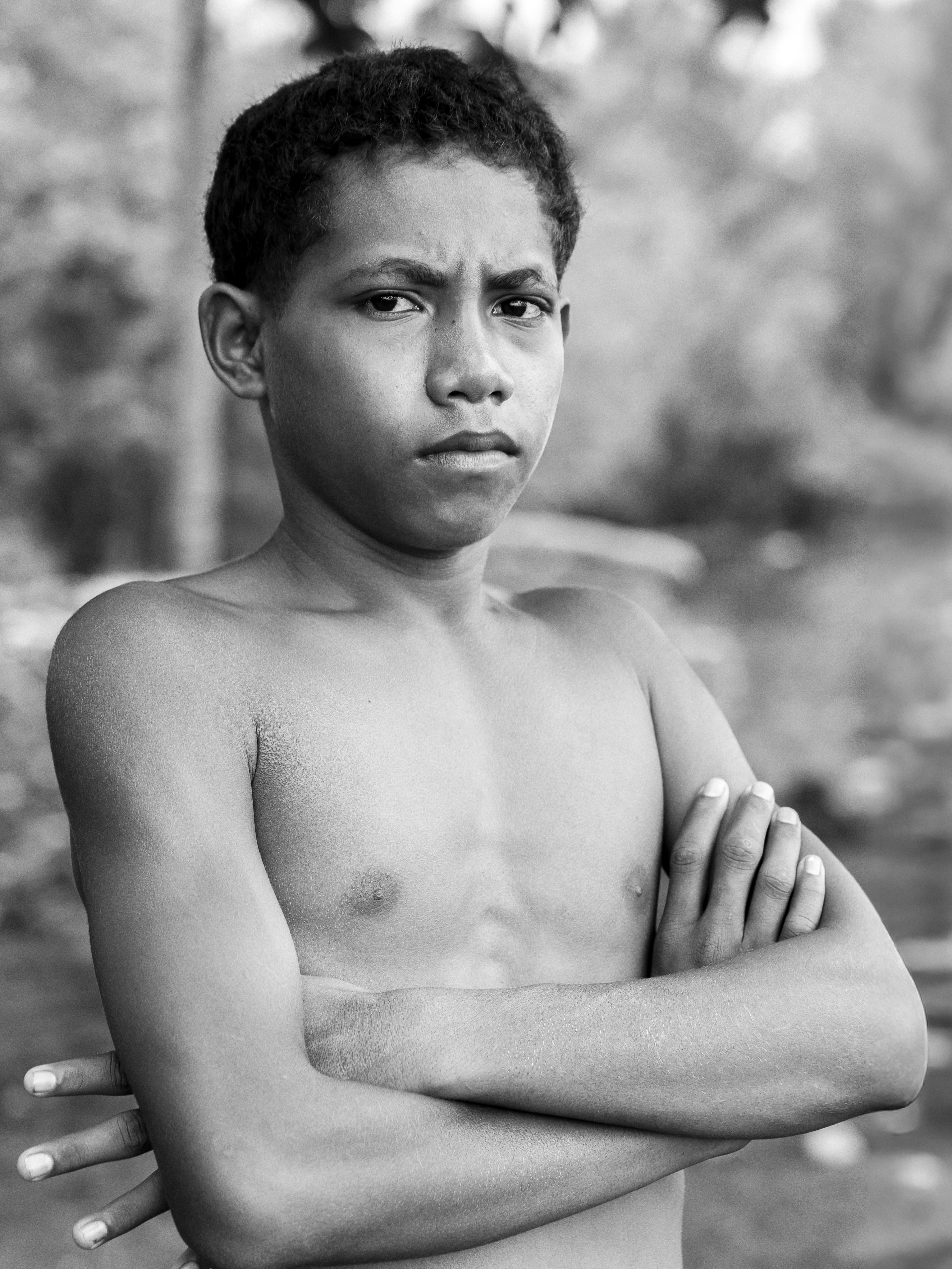
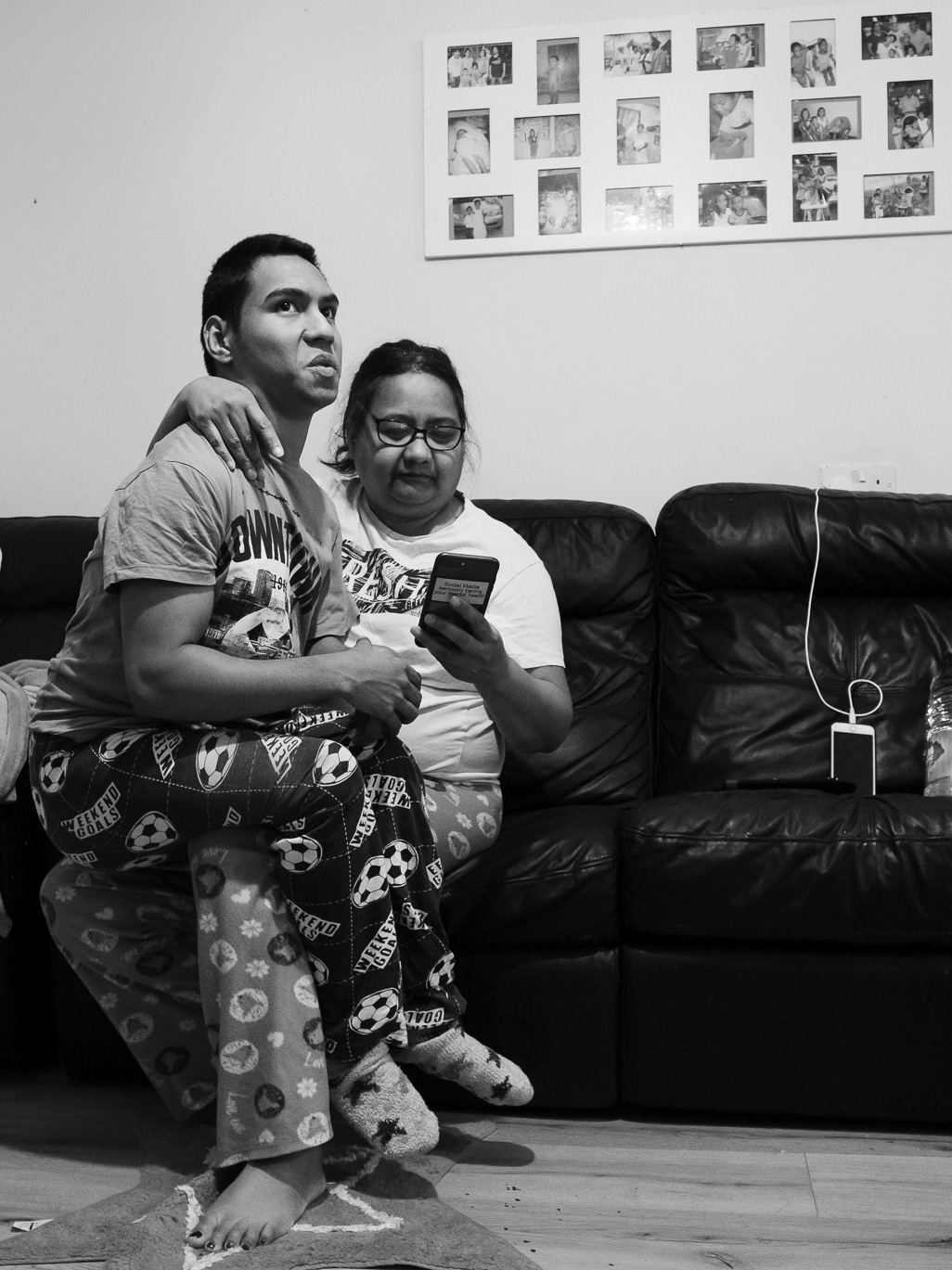
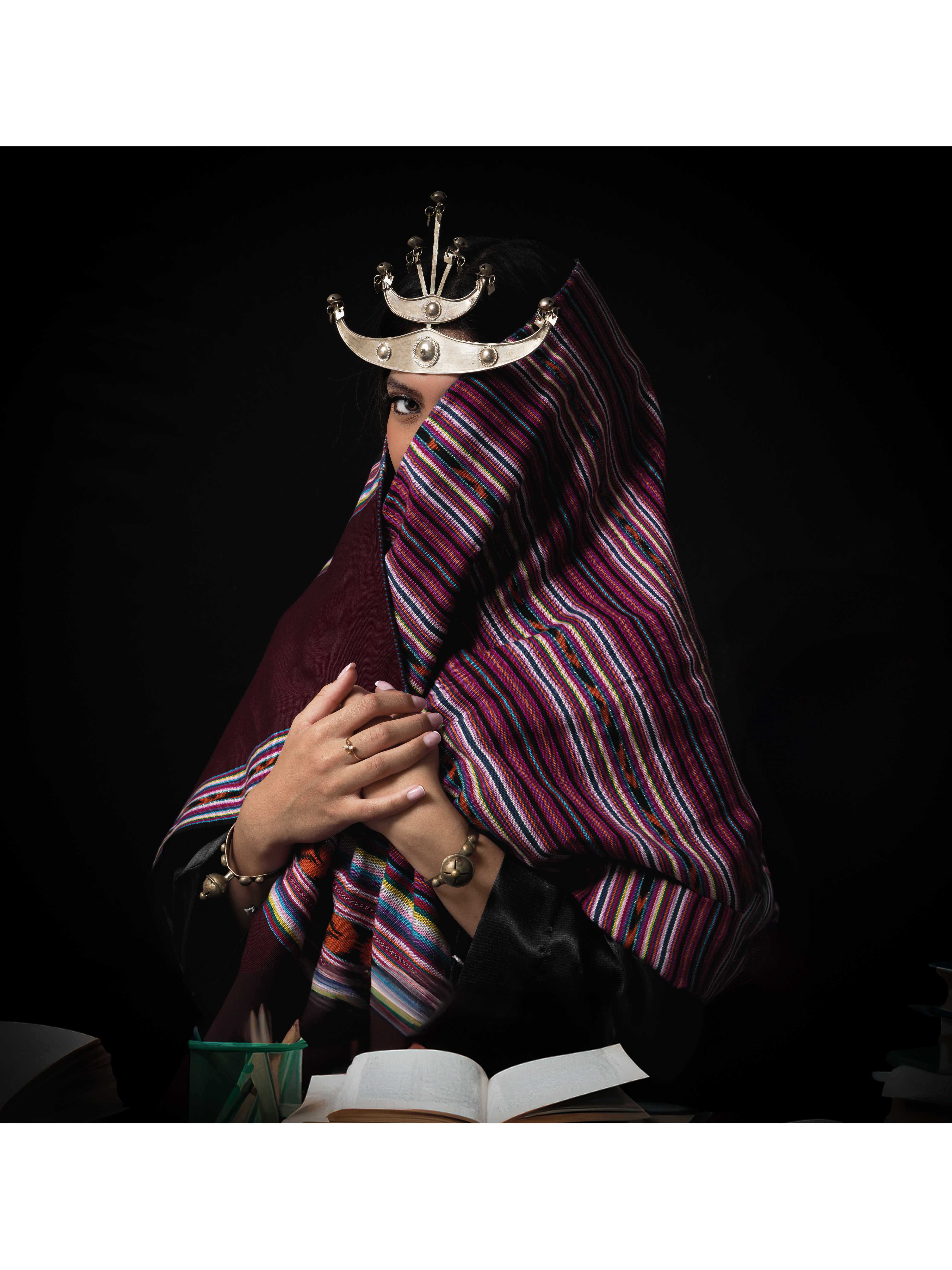
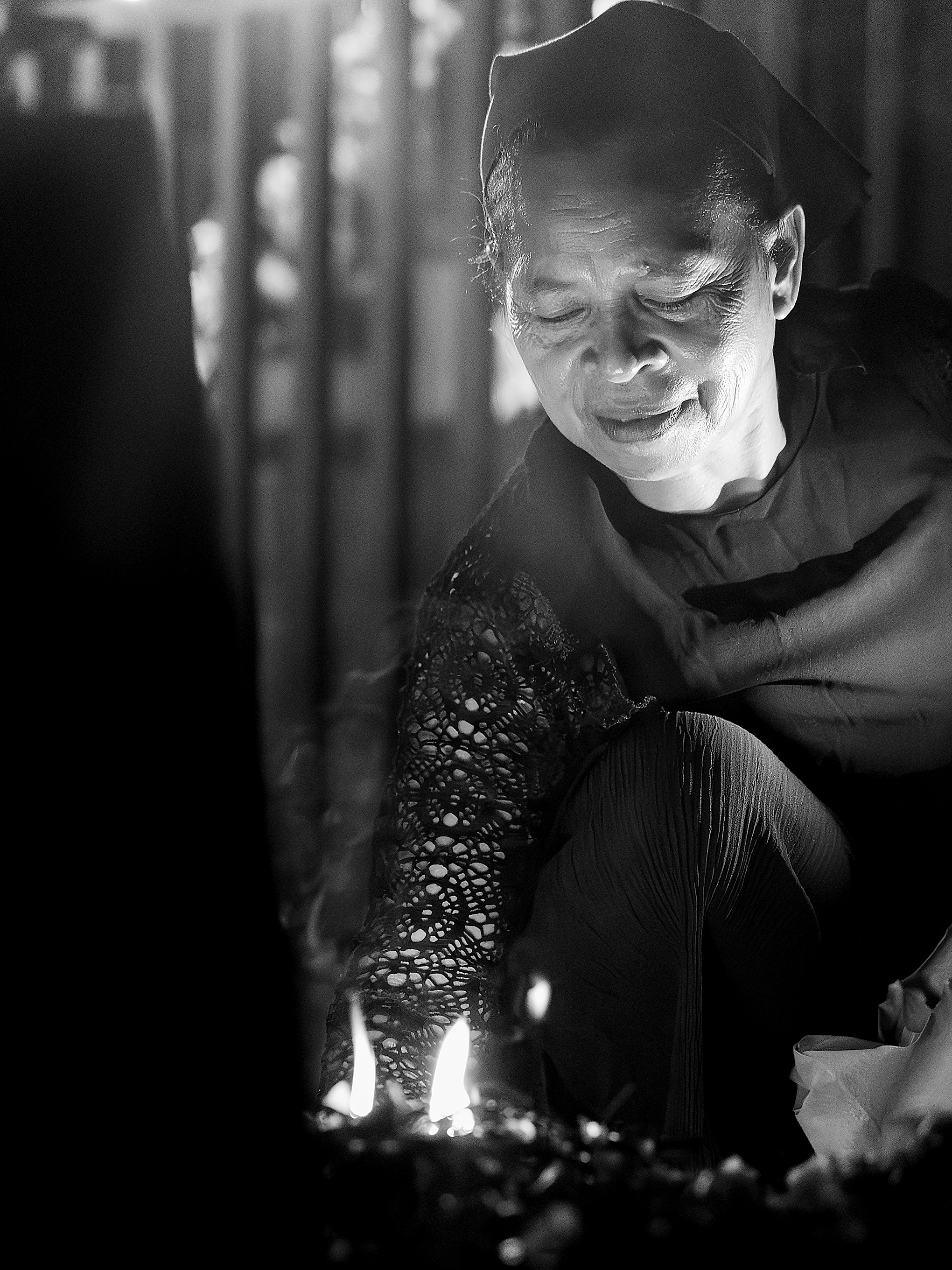
Origin is a photographic series exploring the philosophy behind Timorese cultural accessories and their role in the identity of Timor-Leste. Rather than treating these five items as mere decorations, I photographed them as physical records of Timorese history, resilience, and identity. The project highlights the deeply rooted heritage passed down through generations.
Many cultures face the threat of disappearing due to colonisation, conflict, and globalisation. Origin is an ongoing effort to demonstrate the importance of protecting cultural heritage for future generations. It stands as a straightforward record of the resilience of the Timorese people and a celebration of their unique traditions.
To present this collection clearly, the photographs are organised around the cultural themes each artefact represents. Rather than grouping the items by date or location, each image focuses on a specific object and the broader Timorese philosophy attached to it.
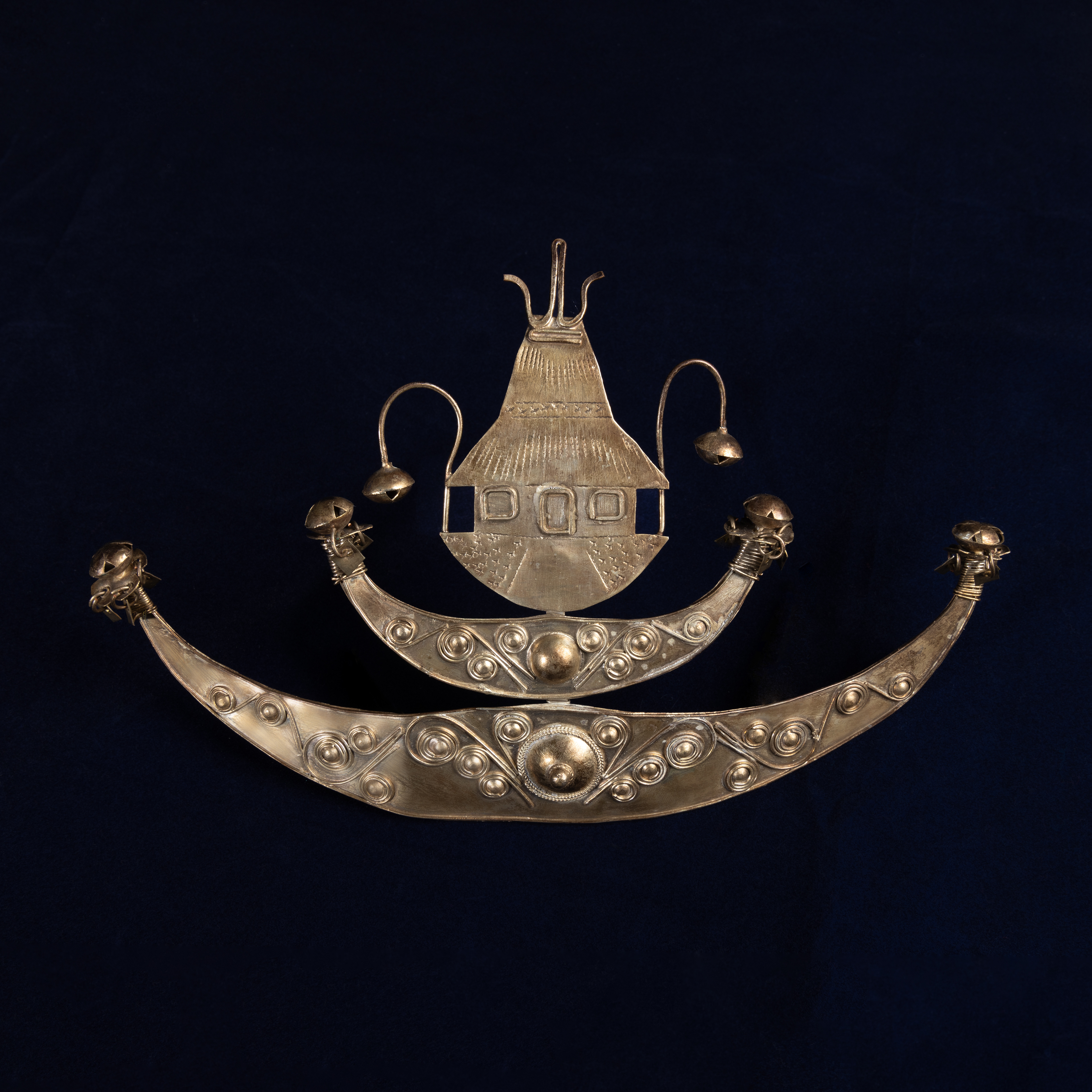
A Kaibauk is a traditional Timorese symbol of authority for the Liurai (local leaders), worn as a crown by both men and women. It features a silver crescent, sometimes with an additional crescent placed above it. The shape mimics the horns of a water buffalo. Its use originates from ancient Timorese animist beliefs.
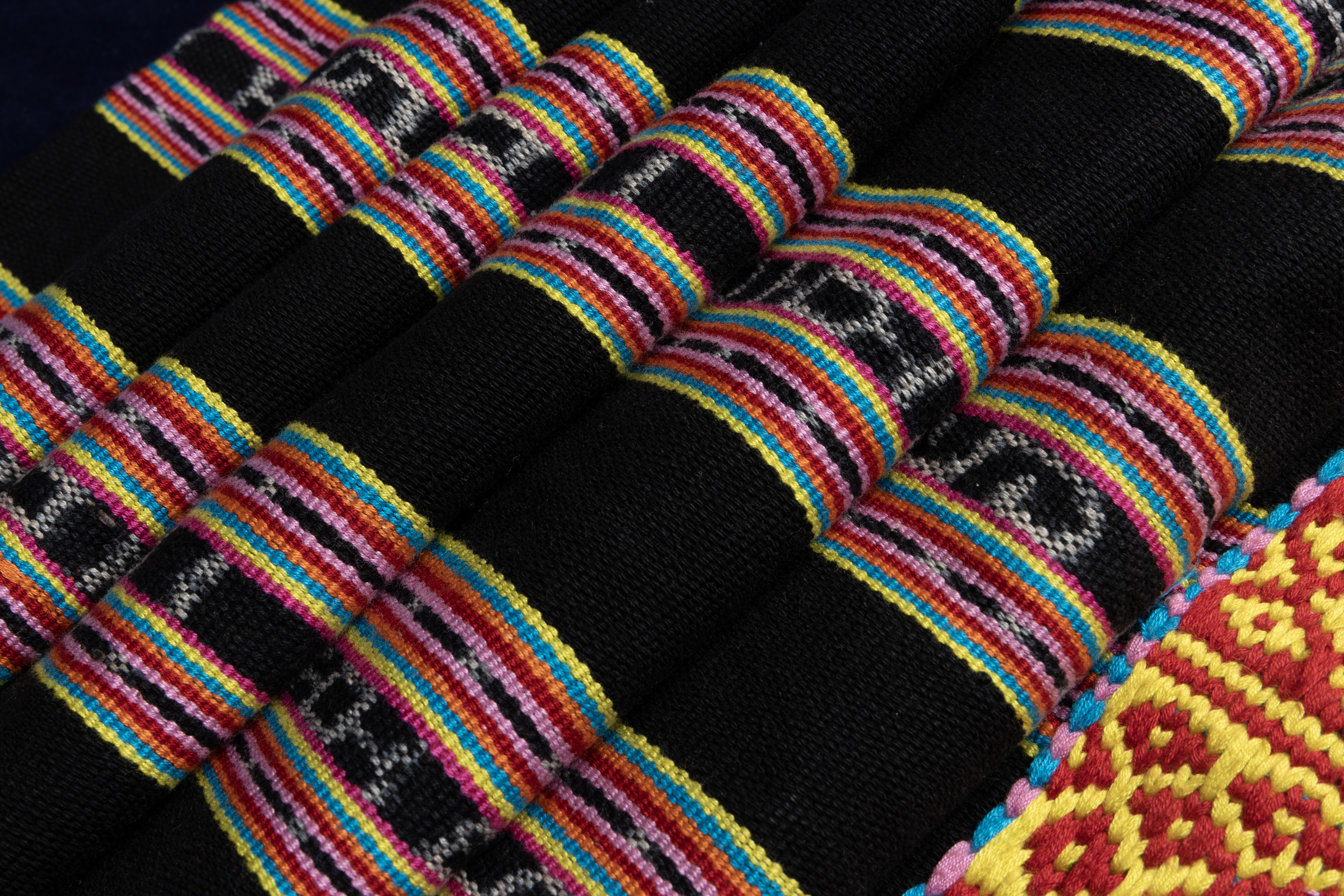
Tais is a traditional textile from Timor-Leste, woven on a wooden loom using cotton threads dyed with plant leaves, roots, and barks. During cultural ceremonies, Tais are given as gifts to show respect to guests and are used to make traditional clothing for both men and women. A single piece can take anywhere from a few days to several months to weave, depending on its size and complexity. The patterns and colours represent nature and animals, and these vary by municipality. In some regions, knowing how to weave Tais is a requirement for women before marriage; it symbolises maturity, problem-solving skills, and patience. The motifs often tell specific cultural stories. Everyday Tais differ from ceremonial ones, and certain complex patterns with many lines are reserved strictly for village chiefs or royalty.
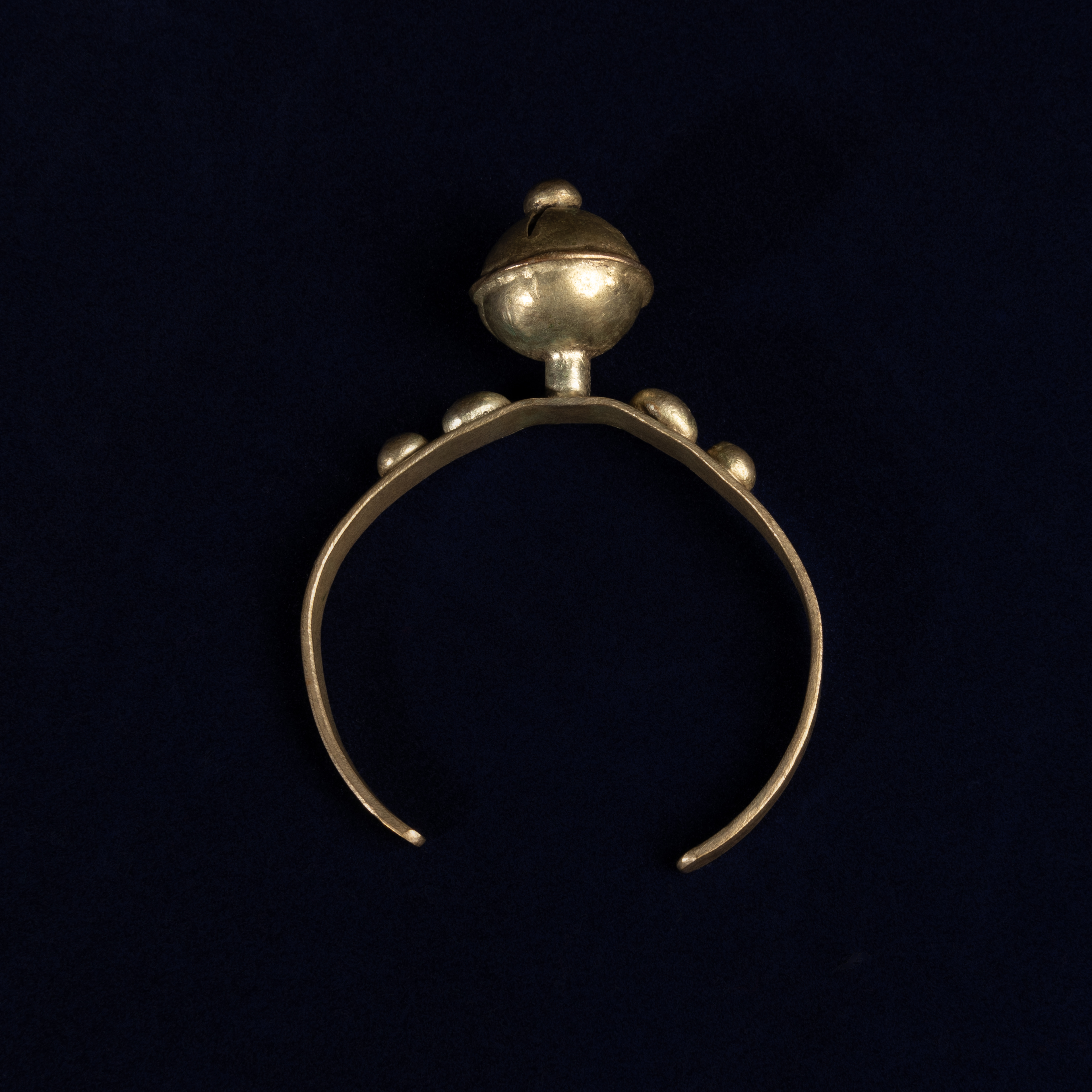
The Kelu is a traditional bracelet made from silver. Historically, when a man intended to propose, he would present a pair of these bracelets as a formal sign of his intention to marry the woman with respect and dignity.
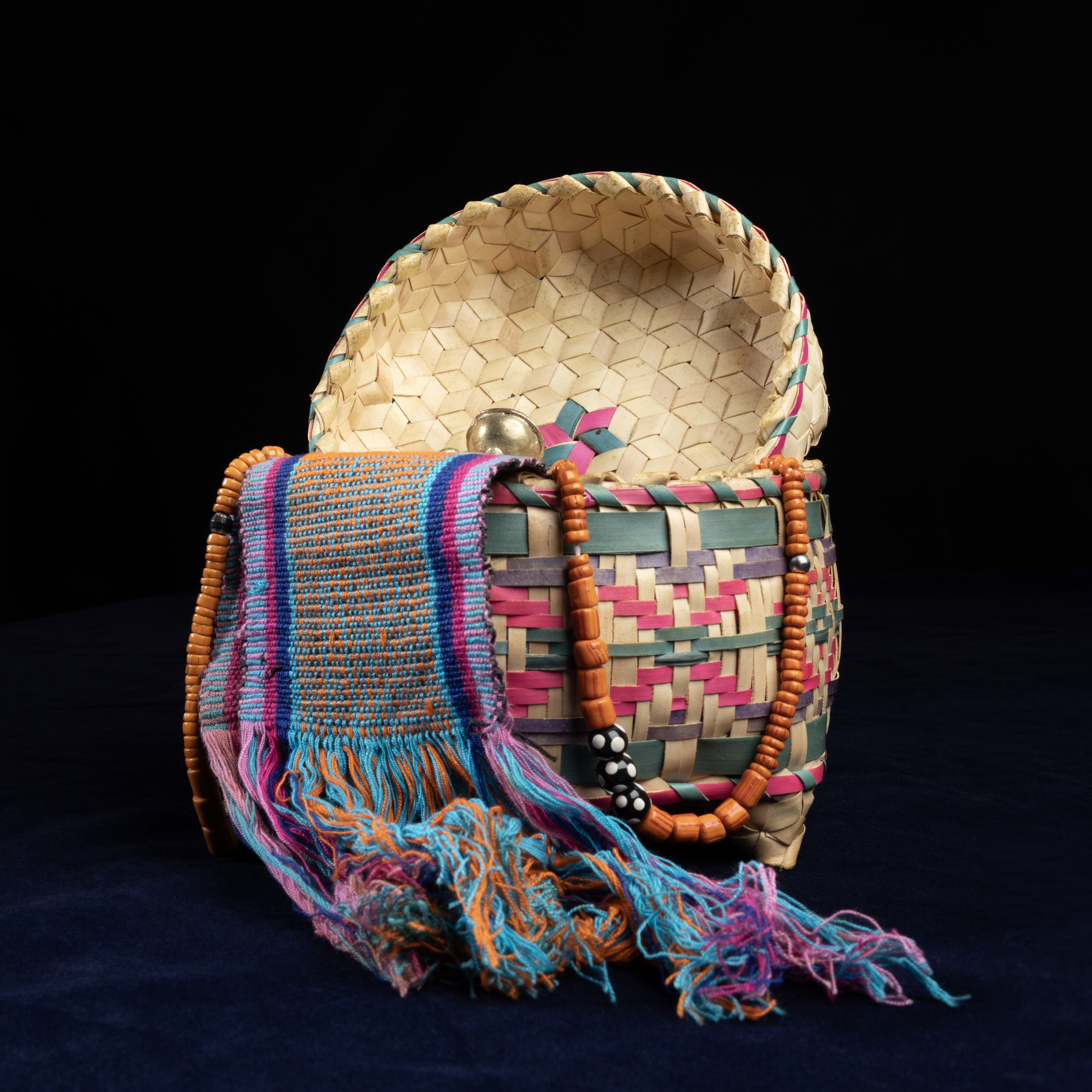
A Luhu is a small woven basket used to serve or pass items among people. Specifically called a 'Lo’ok luhu', it is used in both daily life and traditional customs to share things like money, betel nuts, betel leaves, or limestone powder.
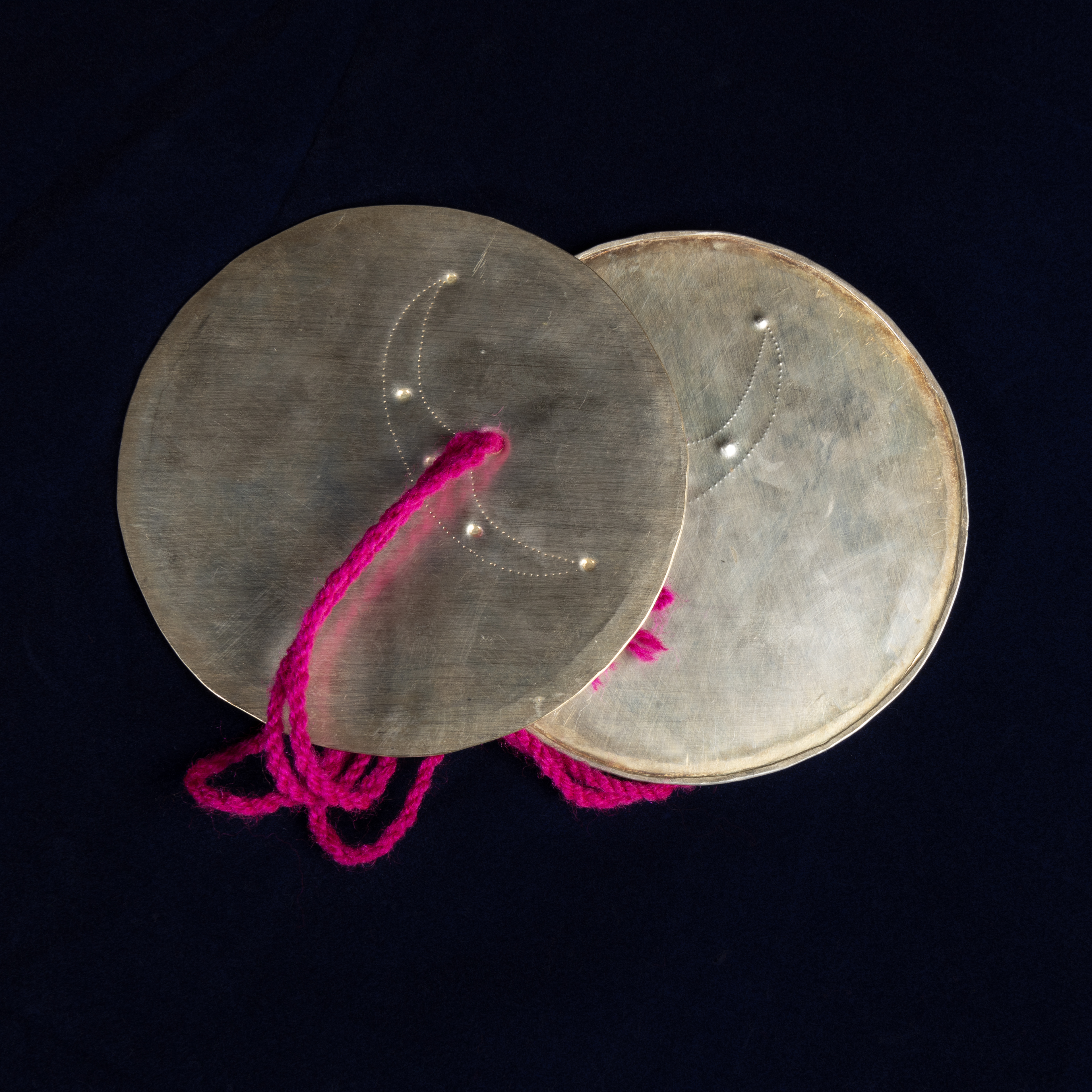
The Belak is a circular plate made from thin metal and engraved with patterns that symbolise unity and connection. It is traditionally worn as the centrepiece of a necklace.